Electric Vehicle Sales Surge as Battery Technology Advances
Innovations in battery technology are dramatically improving electric vehicle range and affordability, fueling a rapid rise in EV sales worldwide. These advancements are pivotal in accelerating the shift toward sustainable transportation in 2026.

Michael Wang
Tech Reporter
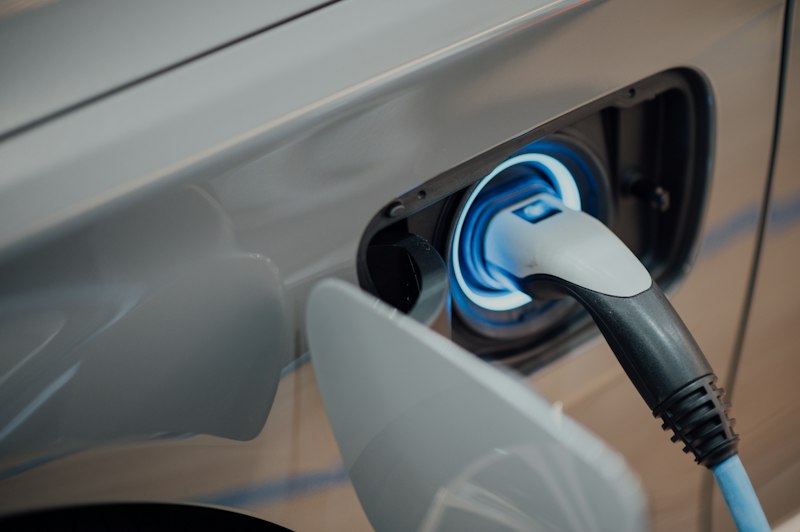
Electric vehicle (EV) sales have witnessed an unprecedented surge in 2026, driven largely by breakthroughs in battery technology. As automakers and tech companies push the boundaries of energy storage, consumers are benefiting from vehicles that can travel farther on a single charge while costing less to produce and purchase.
Recent advancements include solid-state batteries, improved lithium-ion chemistries, and novel materials that enhance energy density and reduce charging times. These innovations not only extend driving range but also address affordability and longevity challenges that once hindered widespread EV adoption.
Extending Range, Reducing Costs
One of the longstanding barriers to EV adoption has been 'range anxiety'—the fear that a vehicle’s battery will run out of charge mid-trip. Battery advancements have now pushed typical EV ranges to well over 400 miles, rivaling or even exceeding many combustion engine vehicles. This significant leap minimizes concerns about finding charging stations during long drives.
Moreover, the reduction in battery production costs plays a key role in dropping overall EV prices. The increased use of abundant materials, enhanced manufacturing techniques, and economies of scale are making electric cars more accessible to a broader market segment. Industry analysts predict this trend will continue, with EVs potentially reaching price parity with traditional vehicles within the next few years.
Acceleration Toward a Sustainable Future
The accelerating sales figures are not just a commercial success story but also a critical development in the global effort to reduce carbon emissions. Transportation remains a leading contributor to greenhouse gases, and the shift to electric vehicles, powered increasingly by renewable energy, is essential for meeting climate goals.
Governments worldwide are recognizing this momentum by implementing supportive policies, including subsidies, tax incentives, and the expansion of charging infrastructure. Such measures amplify the impact of technological innovations and help overcome remaining market hesitations.
Industry Shifts and Consumer Adoption
Major automakers have responded to these battery technology advances by expanding their electric portfolios, investing heavily in research and development, and setting ambitious targets for EV production. New entrants and startups are also contributing dynamic innovations, fostering competitive markets that benefit consumers.
From an informed perspective, the current trajectory suggests that battery technology will remain the linchpin of the EV revolution. As performance improves and costs continue to fall, electric vehicles are poised to dominate new car sales globally by the end of the decade, fundamentally reshaping the automotive landscape.
However, it is important to recognize the accompanying challenges, such as the ethical sourcing of raw materials and battery recycling. Addressing these issues in parallel with technological progress will ensure that the EV surge remains environmentally and socially sustainable.
In summary, the surge in electric vehicle sales in 2026 is a clear indication that the industry is entering a transformative phase. Advanced battery technologies are not only making EVs more practical and affordable but are also accelerating the transition toward a cleaner, more sustainable transportation future.
Tags
Share
Related Articles
 Technology
Alternatives to WhatsApp: A Comprehensive Guide
While WhatsApp remains one of the most widely used messaging platforms worldwide — offering text, voice, and video communication with end-to-end encryption — concerns about data privacy, metadata collection, and corporate ownership have led many users to look for alternatives that better match their needs for security, features, or platform independence. Below are several noteworthy alternatives worth considering in 2026.
 BreakingTechnology
Quantum Computing Reaches New Milestone: What It Means for the Tech Industry
A major breakthrough in quantum computing has been achieved, promising to revolutionize everything from drug discovery to climate modeling.
Michael Wang Technology
AI in Healthcare: The Revolution That's Saving Lives in 2026
Artificial intelligence is transforming medical diagnostics, treatment planning, and patient care, leading to unprecedented improvements in health outcomes.
Michael Wang